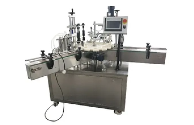
A Filling Machine is an essential piece of industrial equipment designed to accurately dispense liquids, powders, or granular products into containers of various shapes and sizes. Understanding the operational principle of a filling machine is crucial for manufacturers aiming to optimize production efficiency, maintain product consistency, and comply with safety and hygiene regulations.
Filling machines are widely used across food and beverage, pharmaceutical, cosmetic, and chemical industries. They not only streamline the packaging process but also reduce labor costs, minimize product wastage, and ensure precise dosing for each container. By understanding how these machines operate, manufacturers can select the most suitable type, improve workflow efficiency, and reduce maintenance issues.
This article explores the basic working mechanism, types of filling machines, key components, factors affecting filling accuracy, safety and hygiene considerations, and the advantages of understanding their operational principles.
Basic Working Mechanism of a Filling Machine
Filling Process Overview
The fundamental operation of a Filling Machine involves transferring a measured amount of product from a storage tank or reservoir into a container. This process typically includes:
Container positioning: Containers are accurately aligned under filling nozzles using conveyors or rotary systems.
Product dispensing: The product is dispensed using gravity, piston, pump, or auger systems depending on its viscosity and physical properties.
Volume verification: Sensors or weighing systems ensure each container is filled to the specified volume.
Sealing or capping: Filled containers are automatically sealed or capped to preserve product quality.
The entire process can be fully automated, semi-automated, or manually assisted, depending on production scale and budget.
Role of Pumps, Pistons, and Valves
Pumps: Positive displacement pumps control the flow of liquid, ensuring precise volume delivery.
Pistons: Piston-based systems use a reciprocating action to draw and dispense a fixed volume of product.
Valves: Valves regulate the start and stop of product flow, helping prevent overfilling and spillage.
Automation improves precision, reduces human error, and ensures consistent throughput across large-scale production.
Types of Filling Machines and Their Principles
Gravity Filling Machine
Gravity filling machines rely on the force of gravity to transfer low-viscosity liquids into containers. Commonly used for water, juice, milk, and thin oils, they are simple, cost-effective, and easy to maintain.
Working Principle: Liquid flows naturally from a tank through the nozzle into the container, with flow controlled by valves and sensors.
Advantages:
Low maintenance
Suitable for high-speed operations
Ideal for thin, free-flowing liquids
Piston Filling Machine
Piston filling machines are ideal for medium to high-viscosity products such as creams, lotions, sauces, and gels.
Working Principle: A piston draws a pre-set volume of liquid from the reservoir and pushes it into the container. Adjustable pistons allow for flexible fill volumes across different container sizes.
Advantages:
High accuracy and repeatability
Suitable for thick liquids
Can handle multiple container sizes with minimal adjustments
Pump-Based Filling Machine
Pump-based filling machines use positive displacement or peristaltic pumps to control liquid flow. They are suitable for viscous, foamy, or sensitive liquids.
Working Principle: The pump draws liquid from the reservoir and delivers it to the container at a controlled rate. Flow can be adjusted based on product viscosity or container size.
Advantages:
Excellent for foamy or delicate liquids
Provides precise dosing
Can accommodate a wide range of viscosities
Auger and Volumetric Filling Machines
Auger and volumetric fillers are designed for powders and granular products such as sugar, salt, coffee, and spices.
Working Principle: An auger screw or volumetric cup measures the exact quantity of product and deposits it into containers.
Advantages:
Precise dosing for powders
Minimal product wastage
Easy adjustment for container size changes
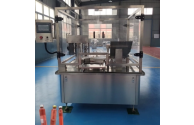
Key Components and Their Functions
A filling machine consists of several essential components that work together to ensure accurate and efficient operation:
Tanks and Reservoirs
Store the product before filling
Equipped with level sensors to prevent overflow or dry running
Can include heating or cooling systems for temperature-sensitive products
Nozzles and Filling Heads
Direct the product into the container
Can be designed for different liquid viscosities
Some nozzles include anti-drip or air-assisted mechanisms to prevent spillage
Conveyors and Container Positioning Systems
Move containers under the filling heads
Ensure proper alignment for accurate filling
Include adjustable guides for different container sizes and shapes
Control Systems: PLCs and Sensors
PLCs (Programmable Logic Controllers) automate filling cycles
Sensors detect container presence, fill levels, and machine status
Allows real-time monitoring, error detection, and data logging for quality control
Factors Affecting Filling Accuracy
Several factors can influence the accuracy and consistency of filling operations:
Viscosity and Temperature of Liquids
High-viscosity liquids may require piston or pump-based systems for accurate dosing
Temperature changes can affect fluid flow and must be accounted for in machine calibration
Container Size and Shape
Irregular container shapes may require adjustable guides and nozzle positions
Small containers demand more precise fill control to avoid overfill or underfill
Flow Rate Control and Timing Mechanisms
Proper adjustment of pumps, pistons, and valves ensures consistent fill levels
Sensors and timers help synchronize filling speed with conveyor movement
Safety and Hygiene Considerations
Material Selection and Corrosion Resistance
Machines are commonly made of stainless steel to resist corrosion from chemicals or food acids
High-quality materials ensure durability and product safety
Clean-in-Place (CIP) and Sterilization Methods
CIP systems allow automatic cleaning without disassembly
Sterilization features prevent microbial contamination, especially for food and pharmaceutical products
Operator Safety and Emergency Stops
Machines include emergency stop buttons and safety interlocks
Protective covers prevent accidental contact with moving parts
Reduces workplace accidents and ensures compliance with industrial safety standards
Advantages of Understanding the Operational Principle
Optimizing Production Efficiency
Knowing how a Filling Machine works helps manufacturers identify bottlenecks, streamline operations, and increase throughput.
Reducing Maintenance and Downtime
Understanding machine mechanics allows operators to perform preventative maintenance, detect early signs of wear, and reduce unexpected downtime.
Making Informed Purchasing Decisions
Manufacturers can select the right machine type, size, and features for their production needs, ensuring long-term operational success and cost-effectiveness.
Comparative Table: Filling Machine Types and Applications
Filling Machine Type | Product Type | Working Principle | Key Benefits |
Gravity Filling Machine | Water, juice, milk | Uses gravity flow | Low cost, simple, high-speed |
Piston Filling Machine | Creams, lotions, sauces | Piston displacement | High accuracy, versatile for viscous liquids |
Pump-Based Filling Machine | Foamy, viscous liquids | Positive displacement pumps | Precise dosing, handles delicate liquids |
Auger/Volumetric Filler | Powders, granules | Auger screw or volumetric cup | Accurate dosing, minimal waste |
Conclusion
Understanding the operational principle of a Filling Machine is crucial for manufacturers aiming to optimize production efficiency, maintain consistent product quality, and comply with industry regulations. By learning how different machine types—whether for liquids, powders, or granules—function, businesses can choose the equipment that best suits their container types, product viscosity, and production scale while minimizing errors and waste.
Investing in a high-quality and well-engineered filling machine not only boosts efficiency but also ensures long-term scalability and competitiveness in industrial manufacturing. For companies in food and beverage, pharmaceuticals, cosmetics, or chemicals, mastering the operational principles behind filling machines is essential for achieving precise, consistent, and high-quality output.
For those seeking reliable, versatile, and technically advanced filling solutions, Nantong Bolang Machinery Technology Co., Ltd. offers a wide range of filling machines tailored to diverse industrial needs. Their experienced team can provide expert guidance, helping businesses select the right machine, optimize production lines, and achieve long-term operational success. Contact their specialists today to explore customized filling solutions that enhance efficiency, reduce waste, and ensure superior product quality.


