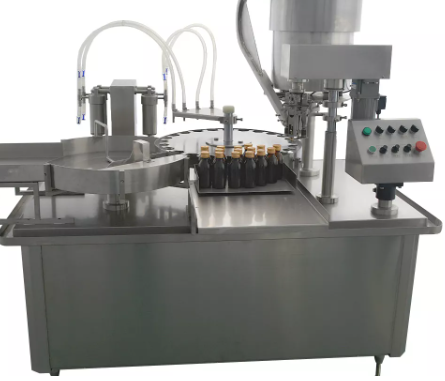
Introduction
Oral liquid filling machines are essential in the production of beverages, personal care products, and pharmaceuticals. The right machine ensures smooth production, efficient filling, and compliance with regulatory standards. But choosing the wrong one can lead to inefficiency and costly errors.
In this article, we’ll discuss how to select the best oral liquid filling machine for your production needs. You’ll learn key factors like product viscosity, machine compatibility, and automation levels to help make an informed decision.
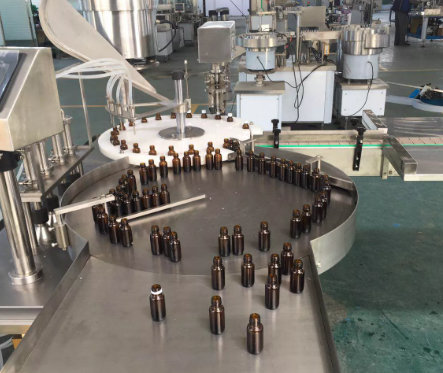
Understanding Product Characteristics: Key Factors in Machine Selection
How Viscosity Affects the Choice of Filling Technology
Viscosity is one of the most critical factors to consider when selecting a filling machine. Liquids with low viscosity, such as water, juices, or oils, flow easily and are simpler to handle during the filling process. For these, gravity or overflow fillers are typically sufficient, as they can efficiently move the liquid into containers with minimal effort. However, high-viscosity products such as honey, creams, or syrups require a different approach. These thicker liquids need more advanced filling systems, such as piston or pump fillers, which offer positive displacement to control the flow more accurately. Understanding the viscosity of your product is vital to ensure that you choose the appropriate filling technology, as it directly impacts fill accuracy, consistency, and machine efficiency. Ensure your filling machine can handle the viscosity of your product to maintain consistent fill levels and avoid bottlenecks. This will help you achieve reliable results while minimizing downtime.
Handling Foam, Temperature Sensitivity, and Volatile Products
Some products, like carbonated beverages or foamy liquids such as soaps, shampoos, and detergents, require special handling during the filling process. Foam generation can be a common issue, which, if not properly controlled, can lead to overfilling, spilling, or inconsistent product volumes. Machines designed for foam control, such as pressure fillers or specialized nozzle designs, help reduce foam formation during the filling process and maintain a consistent product level. Similarly, temperature-sensitive products, such as hot sauces or beverages, require filling machines that can maintain a controlled temperature to prevent product degradation or changes in viscosity. Additionally, volatile products, such as certain chemicals or solvents, require special handling to prevent risks such as evaporation or even explosions. If your product is temperature-sensitive or generates foam, consider machines with integrated foam control or temperature regulation capabilities to keep your products safe and consistent.
Dealing with Products Containing Particulates or Slurries
Products with pulp, seeds, or chunks (e.g., fruit juices with pulp, sauces with spices, or yogurts with fruit pieces) present unique challenges during filling. These particulates can clog narrow nozzles or cause uneven filling. For such products, a filling machine equipped with wide nozzles and specialized valves like pinch valves or diaphragm-sealed pistons ensures smooth filling without the risk of clogging or damage to the particles. Furthermore, agitation systems in the product reservoir help maintain uniformity by preventing the particulates from settling before filling. Choose filling systems that are compatible with your product's particulate size to avoid contamination or product damage. This ensures a smooth and consistent filling process even with challenging ingredients.
Defining Packaging Requirements: Matching Machine to Container Type
Choosing the Right Filling Machine for Different Container Sizes
The size and shape of containers play a significant role in the selection of a suitable filling machine. Narrow-neck containers, such as bottles, may require specific nozzles or diving heads to ensure accurate filling without spilling or air gaps. These nozzles can dive into the container and provide a precise fill without causing overflow. On the other hand, wide-mouth containers like jars or buckets are better suited for overflow or gravity filling systems, which allow the liquid to fill to a desired level by simply flowing into the container. For efficient production, ensure the filling machine offers flexibility for different container sizes and shapes. This can be achieved by selecting machines with easy changeover features, minimizing downtime when switching between container types.
Material Compatibility and Ensuring Smooth Line Integration
The filling machine must be compatible with the materials used in your containers, whether glass, plastic, metal, or flexible films, to avoid damage or contamination. For instance, glass bottles require a machine with a gentle filling process to avoid breakage, while plastic containers may be more flexible but sensitive to deformation. Furthermore, the filling machine must integrate seamlessly with upstream and downstream processes, such as container unscramblers, cleaning systems, inspection stations, and capping or labeling equipment. Ensuring this integration helps streamline production, reduce operational disruptions, and ensure a continuous workflow. Opt for machines that are easy to integrate into your existing production line to minimize installation and operation challenges. This guarantees smoother and faster production cycles, leading to better efficiency.
Selecting Filling Machines Based on Closure Methods
Different products require different sealing methods after filling. For instance, products in glass bottles might need induction sealing, while plastic containers may require snap-on lids. The sealing method must be compatible with your chosen container material to ensure an airtight and secure seal. Additionally, the filling machine must integrate effectively with the downstream sealing equipment to avoid production delays. Choose a filling machine that works seamlessly with your chosen closure method to avoid delays in packaging. This ensures smooth transitions and enhances the overall efficiency of your production line.
Setting Production Targets: Meeting Efficiency and Throughput Goals
| Factor | Considerations | Impact on Machine Selection |
| Current Production Volume | Assess your current needs based on expected production capacity. | Helps determine if manual, semi-automatic, or fully automatic systems are necessary. |
| Future Production Volume | Consider future growth or fluctuations in production demands. | Machine selection must be scalable to meet future production demands. |
| Overall Equipment Effectiveness (OEE) | Evaluate availability, performance, and quality metrics. | High OEE machines improve reliability, reducing downtime and improving throughput. |
| Machine Reliability | Check the machine’s reliability and the vendor’s service support. | A reliable machine minimizes operational disruptions and ensures consistent performance. |
| Integration with Existing Equipment | Ensure the machine can seamlessly integrate with upstream and downstream processes. | Proper integration ensures smooth production flow and reduces operational bottlenecks. |
Assessing Current and Future Production Requirements
Understanding your current and future production volumes is crucial when selecting the appropriate filling machine. If you're just starting, a semi-automatic or flexible system might be ideal for small or fluctuating batches. These systems offer versatility and are cost-effective for smaller-scale operations. However, for high-volume production, fully automatic systems are the best choice, as they offer higher speeds, consistency, and minimal human intervention. Consider future growth when selecting a filling machine. It should be capable of handling future increases in production volume without significant upgrades. This ensures the machine will continue to meet your needs over the long term, saving you from costly investments in new equipment down the road.
Understanding Equipment Effectiveness (OEE) and Selecting for Reliability
Overall Equipment Effectiveness (OEE) is a key performance metric that measures how well a piece of equipment performs. It includes factors such as availability, performance, and product quality. Machines with high OEE scores are typically more reliable and efficient, leading to reduced downtime, fewer defects, and better overall performance. Machines known for high OEE ratings are ideal for consistent and reliable production. Look for machines with high OEE ratings to ensure minimal downtime and consistent product quality. This metric will help you assess the reliability of your chosen machine and guarantee it can meet your production goals without disruptions.
Ensuring Integration with Other Production Line Equipment
Your filling machine should be able to integrate smoothly with other machinery on your production line, such as container unscramblers, capping systems, and labeling equipment. Integration ensures a continuous workflow, which reduces operational disruptions and increases efficiency. Look for machines that offer good integration options with other equipment on your production line. This ensures smoother operations, reduces potential bottlenecks, and enhances the overall productivity of your production line.
Exploring Filling Technologies: Choosing the Right Technology for Your Needs
| Filling Technology | Best For | Viscosity Range | Key Features | Ideal Products |
| Gravity Fillers | Low-viscosity liquids | Low | Simple, cost-effective, no moving parts | Water, juices, oils |
| Overflow Fillers | Low-viscosity, non-foaming | Low | Maintains constant liquid level, high precision | Soft drinks, bottled water |
| Piston Fillers | Medium-viscosity liquids | Medium | Positive displacement, precise volume control | Sauces, lotions, creams |
| Pump Fillers | Medium-viscosity liquids | Medium | Positive displacement, versatile for thicker liquids | Honey, syrups, shampoos |
| Timed Pressure Fillers | High-accuracy filling needs | Low to Medium | Timing valve for precise fill | Carbonated beverages, liquid chemicals |
| Net Weight Fillers | High-accuracy filling needs | Low to High | Weighs product for exact fill | Premium liquids, pharmaceuticals |
| Auger Fillers | High-viscosity liquids | High | Uses screws to dispense viscous products | Pastes, gels, thick creams |
| Gear Pump Fillers | High-viscosity, precise filling | High | Positive displacement, high control over thick liquids | Paints, thick oils, high-viscosity foods |
Gravity and Overflow Fillers for Low-Viscosity Liquids
Gravity and overflow fillers are ideal for low-viscosity liquids, such as water, juices, or oils. These machines work by using gravity to control the flow of the liquid into containers. Gravity fillers are simple, cost-effective, and easy to operate, making them perfect for non-foaming, low-viscosity liquids. Overflow fillers ensure consistent fill levels by maintaining a constant liquid head during the filling process, ensuring equal amounts are dispensed in each container. Gravity and overflow fillers are cost-effective and simple to operate, making them ideal for low-viscosity liquids with minimal foaming.
Piston and Pump Fillers for Medium-Viscosity Liquids
Piston and pump fillers are ideal for medium-viscosity liquids, such as creams, sauces, or lotions. These filling machines use positive displacement, which guarantees precision in dispensing liquid, making them highly effective for viscous products. Piston fillers offer exceptional accuracy, and their versatility makes them suitable for a wide range of products. If your product requires higher accuracy and consistency, consider piston or pump fillers, as they provide precise and repeatable fills for products like lotions or thick sauces.
Timed Pressure and Net Weight Fillers for High Accuracy
Timed pressure fillers and net weight fillers are designed for applications that require high accuracy. Timed pressure fillers regulate the time the valve remains open to meter the liquid, while net weight fillers measure the product by weight, ensuring precise fills even with foamy or inconsistent liquids. If accuracy is critical for your product, consider a net weight or timed pressure filler for the highest precision in filling. These technologies minimize waste, improve product consistency, and help meet strict packaging regulations.
Auger and Gear Pump Fillers for High-Viscosity Products
Auger and gear pump fillers are perfect for high-viscosity liquids, such as pastes, gels, or thick creams. These machines use screws or gears to push the liquid through the nozzle, providing controlled, consistent fills for thick or heavy products. Auger fillers are especially useful for products that require shear, while gear pump fillers are designed for precise volume control. Auger or gear pump fillers are ideal for handling high-viscosity products, ensuring reliable filling without clogging.
Automation and Operation: Balancing Speed, Accuracy, and Control
Manual and Semi-Automatic Fillers for Small Production Runs
Manual or semi-automatic filling machines are ideal for small production runs or operations that require frequent changes in product or container types. These systems are cost-effective and flexible, though they typically require more human intervention than fully automatic machines. If you're starting small, semi-automatic machines can provide a balance of efficiency and cost-effectiveness, offering flexibility in handling different products and container sizes.
Fully Automatic Systems for High-Volume Production
Fully automatic filling systems are designed for high-volume production, offering greater speed, minimal human intervention, and consistent output. These machines are ideal for large-scale operations, as they reduce the need for manual labor and offer faster production times. Fully automatic systems are perfect for large manufacturers, offering greater efficiency and consistency with minimal downtime.
Changeover Ease and Maintenance Considerations
Machines that offer easy changeovers between container sizes or product types can significantly reduce downtime. Regular maintenance is also essential for maximizing the machine’s lifespan and minimizing disruptions. Choose machines with tool-less changeover features and easy-to-maintain designs to minimize downtime and maintenance costs. This ensures your production line remains operational with minimal interruptions.
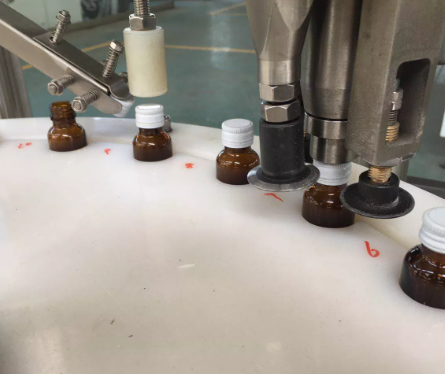
Ensuring Hygiene, Compliance, and Safety in Filling Machines
Sanitary Design Features for Food, Pharma, and Cosmetic Products
Filling machines used in food, pharmaceutical, and cosmetic industries must meet stringent hygiene standards. Machines with sanitary design features, such as smooth surfaces and easy-to-clean components, are essential to prevent contamination. For food, pharma, or cosmetic products, ensure the filling machine complies with hygiene standards and is easy to clean to avoid contamination.
Regulatory Compliance: Meeting Industry-Specific Standards
Different industries have different regulatory standards. Pharmaceutical products, for example, require machines that comply with FDA or GMP standards, while food and beverage products must meet specific safety regulations. Ensure your filling machine meets the relevant regulatory standards for your industry to ensure compliance and avoid legal issues.
The Selection Process: Step-by-Step Guide to Making the Right Choice
Key Considerations for Choosing the Best Filling Machine
When selecting a filling machine, balance your product's characteristics, production goals, and the machine's features. Consider factors like product viscosity, container types, and throughput requirements. Prioritize the features that directly align with your production needs to ensure a good match with your product and process.
Vendor Selection and Total Cost of Ownership (TCO) Evaluation
Vendor reliability and the total cost of ownership (TCO) are critical considerations. The TCO includes not just the initial purchase cost but also maintenance, training, and downtime costs over the machine's lifespan. Evaluate vendors based on their expertise, service support, and long-term value to ensure the best investment.
Pilot Testing for Performance and Scalability
Before making a final decision, conduct pilot testing to evaluate the machine's performance with your actual product and containers. This step ensures the machine meets your needs for scalability, accuracy, and efficiency. Always perform pilot tests before finalizing your purchase to confirm the machine's suitability for your production line.
Conclusion
Choosing the right oral liquid filling machine involves evaluating product characteristics, production needs, and regulatory standards. Considering these factors ensures optimal production efficiency, minimal waste, and regulatory compliance. A well-chosen machine can streamline your production line, enhancing efficiency and product quality. Companies like BOLANG provide valuable solutions with products designed to improve performance, offering reliable and efficient filling technology that helps businesses stay competitive.
FAQ
Q: What is an Oral Liquid Filling Machine?
A: An Oral Liquid Filling Machine is a device used to fill liquid products into containers accurately. It is crucial for industries such as beverages, pharmaceuticals, and personal care to maintain consistent fill levels and meet regulatory standards.
Q: How do I choose the right Oral Liquid Filling Machine for my production line?
A: When selecting an Oral Liquid Filling Machine, consider factors such as the viscosity of your product, container type, production volume, and regulatory compliance. Matching the machine’s features with your specific needs will optimize production efficiency.
Q: What are the benefits of using an Oral Liquid Filling Machine in my production process?
A: Using an Oral Liquid Filling Machine improves production speed, ensures precise filling, reduces waste, and maintains consistent product quality. It helps streamline operations, enhancing overall efficiency and compliance with industry standards.
Q: How much does an Oral Liquid Filling Machine cost?
A: The cost of an Oral Liquid Filling Machine depends on factors like capacity, automation level, and the complexity of the filling process. Prices can range from a few thousand dollars for semi-automatic models to higher costs for fully automated systems.
Q: Can an Oral Liquid Filling Machine handle different viscosities?
A: Yes, different Oral Liquid Filling Machines are designed for various viscosities. Machines like piston fillers work well for medium to high viscosity liquids, while gravity fillers are ideal for low-viscosity products.


