Choosing the right filling equipment is crucial for maintaining quality in liquid production. Are you using the most efficient machine for your needs?
In this article, we'll compare oral liquid filling machines to other equipment types. You'll learn their functions, advantages, and how to select the best one for your production.
What is an Oral Liquid Filling Machine and How Does It Work?
Function of an Oral Liquid Filling Machine
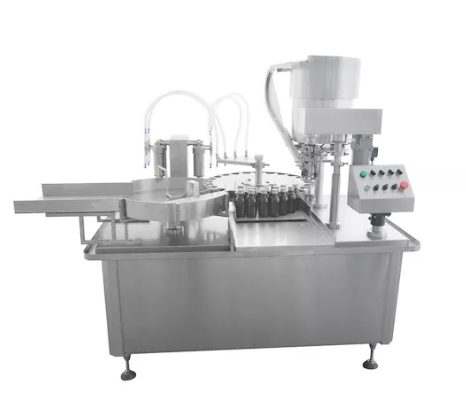
An oral liquid filling machine is a specialized device used to fill oral liquids, such as syrups, drops, and suspensions, into containers. This machine is highly efficient in ensuring precise dosages while maintaining a sterile environment, which is crucial in the pharmaceutical, nutraceutical, and food industries. The oral liquid filling machine prevents contamination and ensures the integrity of the product during the filling process.
Whether it's filling glass bottles, plastic bottles, or vials, the oral liquid filling machine offers great versatility. It is capable of handling both high-viscosity liquids, such as syrups, and low-viscosity liquids, like water-based solutions. By automating the entire process, oral liquid filling machines streamline production, reduce human error, and ensure consistency across large batches.
Working Principle of an Oral Liquid Filling Machine
Oral liquid filling machines typically operate using automated systems that control different aspects of the filling process. The operation can be broken down into key stages:
Settings: The operator adjusts parameters such as the required filling volume, speed, and other necessary specifications.
Liquid Loading: The liquid is loaded into a hopper or reservoir, ready for dispensing into the containers.
Bottle Feeding: Bottles are automatically fed onto a conveyor system and moved toward the filling station, ensuring proper alignment for accurate filling.
Filling: The machine dispenses the liquid into each container with high precision, following pre-set parameters.
Capping: Once the bottles are filled, they are sealed to prevent contamination and leakage.
These machines operate autonomously, reducing the need for manual intervention and ensuring accurate and efficient filling. Oral liquid filling machines are ideal for high-volume production, as they allow businesses to maintain consistent quality while meeting the demands of large-scale manufacturing.
Key Advantages of Using Oral Liquid Filling Machines
Increased Production Efficiency
One of the major advantages of oral liquid filling machines is their ability to boost production efficiency. With these machines, large volumes of liquid can be filled in a fraction of the time it would take with manual filling methods. Whether you are working with small or large batches, these machines ensure quick processing times, higher throughput, and minimal downtime, which is essential for meeting the high demand in industries such as pharmaceuticals and food production.
With the automation of filling, manufacturers can run their production lines continuously for longer hours, which is crucial when trying to maximize production without compromising on product quality.
Accuracy and Consistency in Filling
For businesses that produce oral liquids, maintaining the correct dosage in each container is paramount. Oral liquid filling machines ensure that each bottle is filled with the exact amount of liquid required, preventing the risk of overfilling or underfilling. This accuracy is particularly important in pharmaceutical production, where the correct dosage can have significant implications for patient safety.
These machines are equipped with sensors and automated systems that monitor the filling process and make adjustments when necessary, ensuring that the final product meets strict quality standards.
Ease of Operation and Control
Modern oral liquid filling machines come equipped with user-friendly controls, making them easy for operators to use. Many machines feature touchscreen interfaces, which allow the operator to easily adjust the filling volume, speed, and other settings. The automation involved in these machines also minimizes the chances of human error, making the process more reliable and reducing the need for constant supervision.
With intuitive control panels, these machines simplify the production process and make it possible for even new operators to get up to speed quickly, reducing training time and increasing productivity.
High Versatility for Different Containers and Liquids
Another key benefit of oral liquid filling machines is their versatility. These machines are capable of handling a wide range of container types, from small vials to large bottles. Whether you need to fill glass, plastic, or even flexible pouches, oral liquid filling machines can easily accommodate various container formats.
These machines are also equipped to handle liquids of different viscosities, from thin, water-like solutions to thicker syrups and oils. This adaptability is essential for manufacturers who produce multiple types of liquid products and need filling machines that can handle different characteristics efficiently.
Tip: When selecting an oral liquid filling machine, consider the type of containers and liquids you will be working with to ensure the machine you choose can handle your specific needs.
Comparing Oral Liquid Filling Machines with Other Equipment
| Feature | Manual Filling Machine | Semi-Automatic Filling Machine | Fully Automatic Filling Machine |
| Production Scale | Small-Scale | Medium-Scale | Large-Scale |
| Cost | Low | Moderate | High |
| Speed | Slow | Moderate | Fast |
| Accuracy | Low | Moderate | High |
| Labor Requirement | High (manual operation) | Moderate (operator assistance) | Low (fully automated) |
| Versatility | Limited to small batches | Good for moderate variations | Excellent for high volumes |
| Ease of Operation | Simple, manual control | Semi-automatic, needs some input | Fully automated, minimal input |
Manual Filling Machines: Best for Small-Scale Production
Manual filling machines are simple and affordable, making them a good choice for small-scale operations or startups. These machines rely on human operators to load containers and adjust the filling volume. While they are easy to use, they are much slower and less accurate than automated machines. The filling process is dependent on the operator's skills, which can lead to inconsistencies in the final product.
Manual machines are most suitable for businesses that produce low volumes or have frequent changes in production lines. However, as production demands increase, these machines often become less efficient and more prone to errors.
Semi-Automatic Machines: Balance Between Efficiency and Cost
Semi-automatic oral liquid filling machines are a popular choice for medium-scale production. These machines combine the speed and accuracy of automation with the flexibility and lower cost of manual systems. Semi-automatic machines require operators to load the bottles and start the filling process, but the rest of the operation is automated.
Semi-automatic machines are ideal for businesses that produce moderate volumes and need flexibility without the higher cost of fully automated systems. They provide a balance between efficiency, cost, and precision.
Fully Automatic Machines: High-Speed Production for Large Operations
Fully automatic oral liquid filling machines are designed for high-volume production. These machines automate the entire filling process, from liquid loading to capping, and can fill thousands of bottles per hour. Fully automatic systems are equipped with advanced automation features, reducing the need for human intervention and ensuring consistent quality at high speeds.
Fully automatic machines are best suited for large-scale manufacturers who need to meet high production demands. While they are the most expensive option, they offer the highest efficiency and accuracy, making them essential for companies that require large production volumes with minimal downtime.
Tip: If your business requires high-volume production and consistent fill accuracy, investing in a fully automatic oral liquid filling machine can help you achieve optimal results.
Factors to Consider When Choosing the Right Filling Equipment
Liquid Type and Viscosity Requirements
The type and viscosity of the liquid being filled are critical factors in selecting the right filling equipment. For liquids with low viscosity, such as water or juice, a gravity filling machine may be sufficient. For thicker liquids, such as syrups or creams, a piston or pump filling machine is required to ensure smooth and accurate filling.
Understanding the viscosity of your liquid will help you choose a machine that is designed to handle your specific needs. For instance, gravity filling machines are ideal for thin liquids, while pump or piston systems are better for thicker products.
Production Scale and Budget Considerations
Your production scale and available budget should also play a role in choosing the right equipment. Smaller operations may not need the high speed and automation of fully automatic machines, and may find manual or semi-automatic machines more suitable. Larger manufacturers will benefit from the high-speed capabilities of fully automatic systems.
Take into account not only the upfront cost of the machine but also the long-term operational costs, including maintenance and cleaning. Choose a machine that fits your current needs but also has the flexibility to scale as your business grows.
Ease of Cleaning and Maintenance for Longer Lifespan
Maintaining and cleaning filling machines is crucial to ensure the longevity of the equipment and avoid contamination. Oral liquid filling machines that feature CIP (Clean-In-Place) systems or modular designs for easy disassembly will save time and effort during cleaning. Machines with smooth, stainless steel surfaces are also easier to clean and maintain.
Routine maintenance is essential for preventing breakdowns and ensuring consistent performance. Machines that are easier to clean and maintain will reduce downtime and improve overall productivity.
Why Oral Liquid Filling Machines Are Essential in the Pharmaceutical Industry
Ensuring Precise Dosage and Accuracy
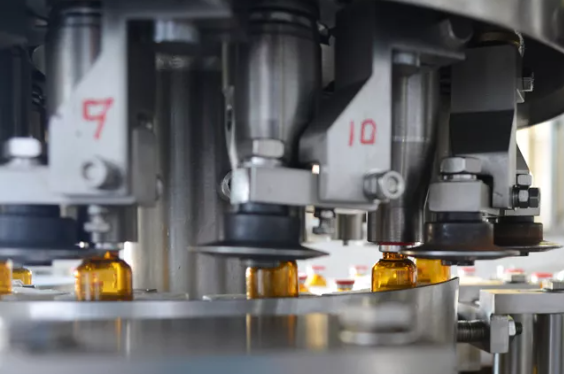
In the pharmaceutical industry, precise dosage is vital to ensure the effectiveness of medications and the safety of patients. Oral liquid filling machines play a key role in this by providing accurate and consistent dispensing of liquid products. These machines are equipped with advanced systems to monitor and control the amount of liquid filled into each container. This ensures that each dose meets the prescribed amount, eliminating risks associated with both underdosing and overdosing.
For potent or sensitive substances, even small discrepancies in dosage can have significant consequences on patient health. For example, inaccurate dosing of medication like antibiotics or chemotherapy drugs could lead to ineffective treatment or harmful side effects. Therefore, oral liquid filling machines are designed to operate with high precision, ensuring each bottle contains exactly the right amount of medication. The automated nature of these machines also minimizes the risk of human error, which is common in manual filling processes.
Meeting Industry Regulations for Safety and Sterility
The pharmaceutical industry is one of the most heavily regulated industries, with strict requirements around product safety, quality, and sterility. Oral liquid filling machines are engineered to meet these high standards by incorporating materials and features that prevent contamination. These machines are designed to ensure that the filled liquid remains sterile, a crucial factor for pharmaceutical products, which are often consumed or applied directly to the body.
In compliance with FDA and GMP regulations, oral liquid filling machines are built with specific mechanisms to prevent contamination during the filling process. For example, they often include features like sealed filling heads, sterile environments, and automatic sanitization systems. By maintaining these hygienic standards, the machines help reduce the risk of contamination, ensuring that the final product is safe for patient use.
Moreover, compliance with these regulations is not just about meeting industry standards, but also about maintaining consumer trust. Pharmaceutical companies must prove that their manufacturing processes are reliable, safe, and consistent. Oral liquid filling machines, with their precise and controlled processes, are a vital part of meeting these compliance requirements, thereby helping businesses avoid legal issues, fines, or product recalls.
Conclusion
Choosing the right oral liquid filling machine is crucial for achieving high efficiency and consistent product quality. By comparing these machines to other equipment types, you can make an informed decision that suits your production needs and budget.
When selecting a filling machine, factors such as liquid type, viscosity, production scale, and ease of maintenance should be considered. Whether opting for manual, semi-automatic, or fully automatic systems, the right machine can boost operational efficiency and help meet industry standards.
For manufacturers looking to enhance their operations, BOLANG offers high-quality oral liquid filling machines. These machines are designed for high efficiency, precision, and versatility, providing excellent value for businesses of all sizes.
FAQ
Q: What is an Oral Liquid Filling Machine?
A: An oral liquid filling machine is a specialized equipment designed for accurately filling oral liquids, such as syrups or drops, into containers. It ensures precise dosage and maintains hygienic conditions throughout the filling process.
Q: How does an Oral Liquid Filling Machine work?
A: The machine automatically loads, fills, and caps containers with oral liquids. It adjusts settings for volume, speed, and liquid type to ensure consistent and precise filling, enhancing production efficiency.
Q: Why should I choose an Oral Liquid Filling Machine over manual machines?
A: Oral liquid filling machines offer higher accuracy, speed, and consistency than manual machines. They are ideal for large-scale production, reducing waste and labor costs while improving efficiency.
Q: What are the advantages of using an Oral Liquid Filling Machine in my production line?
A: Using an Oral Liquid Filling Machine ensures high efficiency, consistency, and precision. It handles large volumes, reduces errors, and maintains quality across production runs, making it essential for industries like pharmaceuticals.
Q: How do I decide between a semi-automatic and a fully automatic filling machine?
A: For medium-scale production, a semi-automatic machine offers a balance between efficiency and cost. For large-scale, high-speed production, a fully automatic Oral Liquid Filling Machine is the best option.


