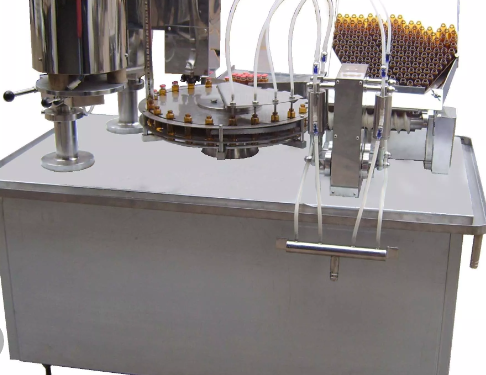
Understanding the Common Issues with Oral Liquid Filling Machines
Oral liquid filling machines are critical in ensuring high-speed, accurate, and consistent production. However, despite their importance, these machines often face operational challenges that can impact performance.
In this article, we will explore the most common issues that affect oral liquid filling machines and provide practical solutions to address them. You will learn how to troubleshoot these problems and keep your production running smoothly with minimal downtime.
Here is a quick overview of common issues and solutions:
| Common Issue | Cause | Solution |
| Liquid Foaming | Excessive filling speed or inappropriate nozzles | Reduce speed or use specialized filling nozzles |
| Inconsistent Filling Volumes | Blocked nozzles, incorrect settings, uneven surface | Clean nozzles, recalibrate settings, ensure stability |
| Nozzle Blockages | Impurities or misalignment | Clean nozzles, realign nozzles, open throttle valves |
| Leaks | Worn seals or loose connections | Inspect seals and gaskets, tighten connections |
| Machine Jams | Foreign objects or worn-out components | Clean machine, replace worn parts |
| Failure to Start or Stop | Electrical issues, sensor malfunctions | Check power supply, inspect sensors, clean heads |
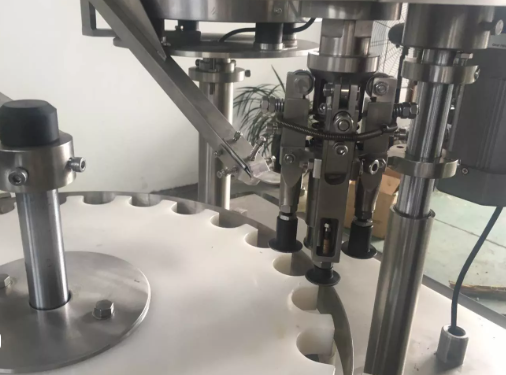
How to Fix Liquid Foaming Issues After Filling
Causes of Liquid Foaming During Filling
Liquid foaming is a common issue that occurs when filling bottles with foamy or carbonated liquids. This issue can significantly impact production efficiency, as foam can cause overflows, waste, and inconsistency in the filled volumes. The primary causes of foaming include:
Excessive filling speed: When the liquid is dispensed too quickly, it creates air bubbles that turn into foam. This can lead to spills, contamination, and imprecise filling, which disrupts the production process.
Inappropriate filling heads: The type of nozzle used may not be suitable for liquids that tend to foam. Some liquids, especially carbonated ones or those with high viscosity, require special handling and nozzles to prevent foam formation.
Solutions to Minimize Foam in Oral Liquid Filling
To reduce or prevent foaming, consider the following steps:
Reduce the filling speed: Slowing down the filling process allows the liquid to settle and reduces the likelihood of foam formation. Lowering the speed enables the liquid to enter the container without introducing excessive air, thereby minimizing foam.
Use appropriate filling nozzles: Specialized nozzles, like diving nozzles for foamy liquids, help minimize air contact during the filling process and reduce foam. These nozzles ensure that liquids enter containers in a controlled manner, preventing air from mixing with the product.
It is essential to test different nozzle types to find the best match for each type of liquid. In some cases, using nozzles designed specifically for foamy liquids can eliminate the need for extensive adjustments to filling speed, making the process more efficient.
The table below summarizes the causes and solutions for foaming issues:
| Cause | Solution |
| Excessive filling speed | Slow down the filling process to minimize air contact |
| Inappropriate filling heads | Use diving nozzles or other specialized nozzles |
| High-viscosity or carbonated liquids | Use nozzles designed for foamy liquids |
Solving Inconsistent Filling Volumes
Causes of Inconsistent Filling
Inconsistent filling volumes can lead to dissatisfaction among customers and create regulatory issues, as product consistency is crucial in many industries. Several factors contribute to this problem:
Blocked nozzles: Any obstruction in the nozzle can result in inconsistent liquid flow, which can cause uneven filling. Blockages may arise from impurities in the liquid or the buildup of product residues.
Incorrect fill volume settings: If the machine is not calibrated correctly, the filled amount will vary, leading to underfilling or overfilling. Inaccurate fill settings can cause products to deviate from their intended volume, affecting product quality.
Machine placed on an uneven surface: A machine that shakes or tilts during operation can cause fluctuating fill levels. This can lead to spills, waste, and inaccuracies in production.
Hopper running low on material: Insufficient liquid in the hopper can disrupt the filling process, leading to inconsistent volumes being dispensed. Low material levels can also cause the machine to operate erratically, further affecting the consistency of the fill.
Steps to Ensure Consistent Filling
To maintain consistent filling volumes, follow these steps:
Check and clean nozzles: Regularly clean the nozzles to ensure a smooth and uninterrupted flow of liquid. This removes any potential blockages that may affect the accuracy of the filling process.
Adjust fill volume settings: Recalibrate the machine settings based on the desired volume for each container. Ensuring that the machine is properly calibrated for different bottle sizes will help prevent inaccuracies.
Ensure a stable machine setup: Place the machine on a flat and level surface to avoid movement during operation. This helps prevent uneven filling caused by the machine's instability, ensuring that the process remains smooth and efficient.
Replenish the liquid supply: Ensure the hopper is filled to the required level for consistent dispensing. Keeping the hopper regularly checked and refilled prevents interruptions during production, reducing the risk of uneven filling.
Consistent filling is not only essential for customer satisfaction but also crucial for regulatory compliance, particularly in industries such as pharmaceuticals and food manufacturing, where precise measurements are mandatory.
How to Prevent and Fix Nozzle Blockages
Common Causes of Nozzle Blockages
Nozzle blockages are one of the most frequent issues faced during liquid filling processes. They can significantly slow down production and cause inconsistent filling. The primary causes of nozzle blockages include:
| Cause | Description |
| Impurities in the liquid or filling material | Solid particles or debris clogging the nozzle |
| Misaligned filling nozzles | Incorrect positioning of nozzles affecting flow |
| Throttle valves closed | Restricting liquid flow, leading to blockages |
Solutions to Resolve Nozzle Blockages
To resolve and prevent nozzle blockages, follow these steps:
Clean the nozzles regularly: Remove any impurities or debris before starting the filling process to ensure a smooth flow. This helps prevent potential clogs from occurring during production and reduces downtime.
Properly align the nozzles: Ensure that nozzles are positioned correctly to avoid misalignment and clogs. Misalignment can cause liquid to spill or waste, affecting the overall fill quality.
Open the throttle valves: Check the throttle valves to ensure they are open, allowing the liquid to flow freely. Regularly check the valves during maintenance to avoid any disruptions in the filling process.
Routine inspection and cleaning of the nozzles and valves are essential for preventing downtime and ensuring that the machine operates smoothly without obstructions. By keeping these components in optimal condition, the filling process becomes more efficient, reducing the risk of mistakes and delays.
Fixing Leaks in Oral Liquid Filling Machines
Why Oral Liquid Filling Machines Leak
Leaking is a major issue in oral liquid filling machines that not only wastes product but also creates a mess and affects production efficiency. Leaks can lead to contamination of the work area, making the machine unsafe to operate. Common causes include:
Worn-out seals: Over time, seals around the filling valve degrade and allow liquid to leak. The constant exposure to liquid and pressure causes the seals to lose their integrity.
Improper gasket fitting: Poorly installed gaskets can lead to leaks, compromising the filling process. Incorrect gasket fitting can cause gaps where liquid escapes.
Cracked or loose piping connections: Connections that are not tightly sealed can result in liquid leakage. Piping systems that are not properly maintained or assembled can cause leaks, impacting production efficiency.
How to Prevent and Fix Leaking Issues
To prevent leaks and fix existing issues, take the following actions:
Inspect and replace worn seals: Regularly check seals for wear and replace them as necessary to ensure proper sealing. This will prevent liquid from escaping the machine during the filling process.
Tighten piping connections: Ensure that all connections are properly tightened to prevent leaks from occurring. It is important to routinely check the pipes for any signs of wear or damage.
Replace cracked pipes: Cracked or damaged pipes should be replaced immediately to avoid leakage. Proper installation and routine maintenance will ensure the system is leak-free.
Leaks can be avoided with regular inspections and quick intervention when problems are detected. Ensuring the seals, gaskets, and piping are in good condition is essential for maintaining the machine's efficiency and product quality.
What to Do When the Machine Jams During Operation
Common Causes of Machine Jams
A machine jam can halt production, causing significant delays. Common causes include:
Debris or foreign objects in the system: Objects can obstruct the flow path, causing jams. These can range from product residues to packaging materials, which accumulate over time.
Obstructions in the filling pathway: Blockages in the tubes or nozzles can stop the machine from functioning properly. Regular cleaning of these components can help prevent clogs.
Malfunctioning components: Worn-out or damaged parts can cause mechanical failures, leading to jams. This includes parts such as pumps, valves, and pistons that wear out over time.
How to Fix and Prevent Machine Jams
To prevent and resolve machine jams, follow these steps:
Clean the machine regularly: Remove any debris or foreign objects that may cause blockages. A clean machine ensures smooth operation and reduces the risk of jams.
Clear the filling pathway: Ensure that the tubes and nozzles are free from obstructions. Routine cleaning of these parts will keep the liquid flow uninterrupted.
Inspect and replace faulty components: Regularly inspect moving parts and replace any that are worn or damaged. Timely replacement of parts prevents sudden breakdowns and keeps production on track.
Preventing machine jams requires a combination of regular maintenance and timely interventions. Ensuring that the filling pathways are clear and all moving parts are functioning properly is key to avoiding production delays.
Troubleshooting Machines That Won't Start or Stop Mid-Process
Possible Causes for Machine Failure
If the machine suddenly stops or fails to start, the issue could stem from:
Electrical issues or power supply problems: Power disruptions or faulty wiring can cause machine failure. It is important to check the power supply and ensure the machine is properly connected to a reliable power source.
Sensor malfunctions: Sensors that fail to detect the correct parameters may prevent the machine from starting or cause it to stop mid-process. Inaccurate sensor readings can lead to an interruption in the filling process.
Clogged filling heads: A blocked filling head can stop the dispensing process entirely. Clogs can cause delays and prevent the machine from operating properly.
Steps to Restore Normal Operation
To restore functionality, follow these steps:
Check electrical connections and power supply: Ensure the machine is properly connected to a reliable power source. Power disruptions should be addressed immediately to prevent downtime.
Inspect sensors: Test and replace malfunctioning sensors to ensure proper detection and functionality. Ensure all sensor connections are secure and provide accurate readings.
Clean filling heads: Clear any clogs in the filling heads to ensure smooth operation. Blockages in the heads can stop the machine from working correctly, causing production delays.
Ensuring that electrical connections, sensors, and filling heads are regularly inspected and maintained will minimize the risk of sudden stoppages and improve overall machine reliability.
Regular maintenance is key to avoiding such failures. The table below summarizes key tasks to keep the machine in optimal condition:
| Maintenance Task | Frequency | Purpose |
| Inspect and clean nozzles | Daily | Prevent blockages and ensure consistent flow |
| Check and replace seals and gaskets | Weekly | Prevent leaks and maintain seal integrity |
| Calibrate the machine settings | Monthly | Ensure accurate fill volumes and prevent discrepancies |
| Perform full system checkup | Quarterly | Identify and address any worn-out or malfunctioning parts |
Conclusion
Effective troubleshooting is essential for maintaining the efficiency of oral liquid filling machines. By identifying common issues and applying proactive solutions, manufacturers can minimize downtime and maintain high product quality. Regular maintenance, including cleaning and calibration, is key to preventing these issues.
Proper machine calibration, cleaning, and maintenance help businesses avoid costly delays. Regular checks on components like nozzles, seals, and sensors reduce breakdowns, ensuring a smooth and efficient filling process. BOLANG's products provide valuable solutions to enhance production efficiency, ensuring your machines remain in optimal condition.
FAQ
Q: What is an Oral Liquid Filling Machine?
A: An Oral Liquid Filling Machine is a device used to accurately and efficiently fill bottles with liquid products. It is commonly used in industries like pharmaceuticals and food production to ensure consistency and precision during the filling process.
Q: Why is my Oral Liquid Filling Machine causing liquid foaming?
A: Liquid foaming can be caused by excessive filling speed or using inappropriate filling heads. To reduce foam, slow down the filling speed or use nozzles designed specifically for foamy liquids.
Q: How can I fix inconsistent filling volumes in my Oral Liquid Filling Machine?
A: Inconsistent filling can occur due to blocked nozzles, incorrect settings, or an uneven machine setup. Clean the nozzles, recalibrate the machine settings, and ensure the machine is placed on a flat surface to ensure accurate filling.
Q: What should I do if my Oral Liquid Filling Machine stops mid-process?
A: The machine may stop due to electrical issues, sensor malfunctions, or clogged filling heads. Check the power supply, inspect sensors, and clean the filling heads to restore normal operation.
Q: How can I prevent nozzle blockages in my Oral Liquid Filling Machine?
A: Nozzle blockages are often caused by impurities in the liquid or misaligned nozzles. Clean the nozzles regularly, realign them, and check throttle valves to prevent blockages and ensure smooth operation.


