Have you ever wondered why the sterilization method you choose could make or break your entire operation? Whether you're running a busy microbiology lab, managing a dental clinic, or overseeing pharmaceutical production, the way you sterilize instruments directly impacts safety, compliance, and efficiency. In fact, recent studies suggest that improper sterilization accounts for over 20% of contamination-related failures in healthcare and lab environments.
In today's fast-paced, precision-driven world, choosing between steam sterilization and dry-heat sterilization isn't just a technical decision—it's a strategic one. With new technologies like the hot air sterilization oven becoming more advanced and accessible, understanding the pros, cons, and application scenarios of each method is critical for professionals aiming to optimize their sterilization protocols.
In this post, you'll learn everything you need to know about steam and dry-heat sterilization, including how each method works, when to use them, and how they compare in terms of cost, efficiency, and effectiveness. We'll also explore the rising popularity of the hot air sterilization oven and how it fits into modern sterilization workflows.
Key Takeaway
Steam sterilization uses pressurized moist heat to kill microorganisms rapidly and effectively.
Dry-heat sterilization, often conducted in a hot air sterilization oven, uses high temperatures without moisture to sterilize items that may be damaged by steam.
The hot air sterilization oven is ideal for items like glassware, metal instruments, and powders.
Choosing the right sterilization method depends on the material, required sterility assurance level (SAL), cost, and operational efficiency.
A data-driven comparison reveals that both methods have unique strengths and ideal use-cases, which we'll explore in detail.
Steam Sterilization Explained
What Is Steam Sterilization?
Steam sterilization, commonly known as autoclaving, is the process of using pressurized steam at high temperatures—typically 121°C to 134°C—to eliminate all forms of microbial life, including spores.
How It Works
Loading: Instruments are placed in an autoclave chamber.
Air Removal: Air is evacuated to allow steam penetration.
Sterilization Phase: Steam floods the chamber, and pressure increases.
Holding Time: Items are held at the target temperature for a set duration (e.g., 15 mins at 121°C).
Exhaust and Drying: Steam is released, and items are dried.
Applications
Advantages
Rapid sterilization cycle
Excellent penetration of porous materials
Effective on heat and moisture-stable items
Limitations
Industry Trends
According to a 2024 industry report by MarketsandMarkets, steam sterilization remains the most widely adopted method in healthcare, accounting for over 60% of sterilization equipment sales worldwide.
Dry-Heat Sterilization Explained
What Is Dry-Heat Sterilization?
Dry-heat sterilization involves using hot air at high temperatures—typically 160°C to 180°C—to sterilize materials. This method is commonly executed in a hot air sterilization oven, which circulates heated air for uniform temperature distribution.
How It Works
Preheating: The hot air sterilization oven is preheated to the desired temperature.
Loading: Items are placed in the chamber without being sealed.
Sterilization Cycle: The oven maintains the target temperature for a specific period (e.g., 2 hours at 160°C).
Cooling: Items are cooled gradually before removal.
Applications
Glassware (e.g., petri dishes, beakers)
Metal instruments
Powders and oils
Sharp instruments that may corrode with moisture
Advantages
No corrosion or rusting of metal tools
Ideal for moisture-sensitive materials
Long-term cost-effectiveness
Limitations
Longer sterilization cycle
Requires higher energy consumption
Not suitable for rubber or plastic items
The Rise of the Hot Air Sterilization Oven
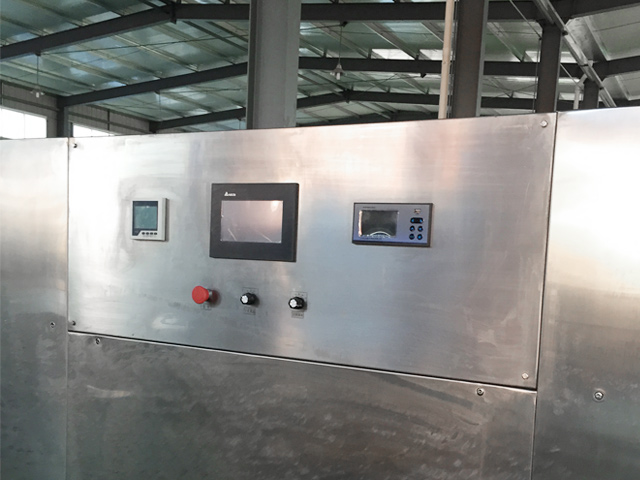
The modern hot air sterilization oven offers programmable controls, faster heat-up times, and enhanced safety features. New models include HEPA filtration, temperature uniformity sensors, and touchscreen interfaces, making them highly suitable for pharmaceutical and biotech labs.
Dry-Heat Vs. Steam Sterilization: The Comparison
| Feature | Steam Sterilization (Autoclave) | Dry-Heat Sterilization (Hot Air Sterilization Oven) |
| Temperature Range | 121°C–134°C | 160°C–180°C |
| Time Required | 15–30 minutes | 1.5–3 hours |
| Moisture Use | Yes | No |
| Corrosion Risk | High with repeated use | None |
| Energy Consumption | Moderate | High |
| Material Compatibility | Limited to moisture-stable | Ideal for glassware, metal, powders |
| Cost of Equipment | Moderate to High | Low to Moderate |
| Maintenance Requirements | Frequent | Minimal |
| Best For | Surgical tools, textiles | Glassware, oils, cutting tools |
Why the Hot Air Sterilization Oven Stands Out
The hot air sterilization oven offers distinct advantages in terms of cost-efficiency, material safety, and long-term usability. For laboratories and production environments that require contamination-free glassware or heat-stable instruments, this method is not only practical but increasingly favored.
With modern hot air sterilization ovens now offering digital temperature control, automated timers, and safety locking mechanisms, they're becoming the go-to choice for pharmaceutical research and microbiological applications.
Conclusion
Choosing between steam sterilization and dry-heat sterilization is more than a matter of preference—it's a matter of science, safety, and suitability. While steam sterilization is fast and effective for most healthcare instruments, the hot air sterilization oven offers unmatched reliability for items sensitive to moisture or corrosion.
As the need for precision sterilization grows, especially in biotech, pharmaceuticals, and academic research, the hot air sterilization oven is carving out a vital role. With its ability to deliver consistent sterilization, low maintenance, and cost-effective operation, it stands as a cornerstone of modern laboratory practices.
Understanding the fundamental differences and applications of each method enables professionals to make informed decisions that align with safety standards, regulatory requirements, and operational goals.
FAQs
Q1: What is a hot air sterilization oven?
A hot air sterilization oven is a laboratory device that uses dry heat to sterilize objects by maintaining high temperatures (160°C–180°C) for extended periods. It's ideal for materials that cannot be sterilized using steam.
Q2: What items should not be sterilized using dry heat?
Items made of plastic, rubber, or any moisture-sensitive or heat-sensitive materials should not be sterilized in a hot air sterilization oven as they may melt or degrade.
Q3: Is dry-heat sterilization as effective as steam sterilization?
Yes, when performed correctly. While steam sterilization works faster due to moisture penetration, dry heat is equally effective for suitable materials if the correct temperature and exposure time are maintained.
Q4: How often should I calibrate my hot air sterilization oven?
It is recommended to calibrate the hot air sterilization oven every 6–12 months, depending on usage, to ensure consistent temperature performance and regulatory compliance.
Q5: Can I use a hot air sterilization oven for pharmaceuticals?
Absolutely. Many pharmaceutical manufacturing facilities use hot air sterilization ovens to sterilize glass vials, powders, and non-aqueous solutions safely and effectively.


