In high-precision industries like pharmaceuticals and biotechnology, drying and sterilizing processes must meet GMP-level standards for cleanliness, temperature control, and efficiency. Traditional ovens often fall short in uniformity and energy usage, creating bottlenecks in production lines.
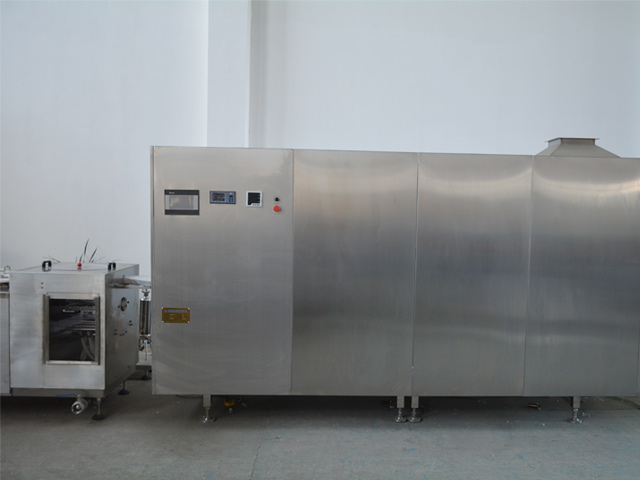
Enter the hot air circulation oven—a cutting-edge solution designed to deliver high-efficiency drying and sterilization across industries. Among the leading innovations in this category is the GMS Hot Air Circulation Sterilization Tunnel Oven by BOLANG, engineered specifically for pharmaceutical-grade bottle sterilization and drying.
In this post, you'll learn how modern hot air circulation ovens, especially tunnel-type models like BOLANG's, are transforming industrial drying with better airflow, automation, and energy control. We'll also explore common issues, troubleshooting tips, and future trends in oven technology.
Key Takeaway
A hot air circulation oven, especially one configured as a tunnel sterilization dryer, enhances industrial drying by ensuring uniform temperature distribution, automated control, and GMP-compliant cleanliness. The result? Faster cycles, energy savings, and a significant boost in production reliability.
Key Advantages of Hot Air Circulation Ovens
Improved Sealing and Sterilization
BOLANG's hot air circulation sterilization tunnel oven is engineered for sterile drying environments, using hundred-level laminar flow hoods at both ends to maintain cleanroom-grade airflow. The system's stainless steel synchronous chain and wind curtain lock system ensure airtight processing, which is crucial for pharmaceutical sterilization.
Key benefits:
Sterile-grade enclosure for vial and bottle sterilization
Air curtain systems to prevent cross-contamination
In-line sterilization that supports continuous production
High-temperature stainless steel box for acid resistance and durability
Notable Feature: The oven provides effective sterilization for over 10 minutes in the high-temperature zone, ensuring compliance with regulatory standards.
Faster Drying and Shorter Production Cycles
Designed as a continuous tunnel oven, BOLANG's model allows vials to enter from a bottle washing machine and exit fully dried and cooled—ready for filling. The preheating, sterilization, heat preservation, and cooling zones are integrated into one streamlined system.
| Stage | Function | Time/Temp Control |
| Preheating | Gradual temperature ramping | Controlled via PLC |
| High-Temp Zone | ≥10 min sterilization | Up to 320°C |
| Heat Preservation | Uniform temperature maintenance | ≤ ±5°C deviation |
| Cooling Section | Final cooling before filling | Exit temp: ≤40°C |
This layout reduces total drying time by up to 40% compared to batch ovens and eliminates the need for manual transitions between stages.
Energy Efficiency and Stable Performance
The oven uses stainless steel heating tubes with high thermal efficiency, converting electrical energy into evenly distributed hot air. The centrifugal exhaust fan (≥400Pa) ensures strong air movement with low noise operation.
Energy-saving features:
PID-controlled heating with thermocouple feedback
Laminar flow design minimizes heat waste
Temperature distribution within ±5°C across the chamber
Insulated stainless steel structure for heat retention
Technical Note: Power consumption is ≤45kW, and airflow can reach 10,000 m³/h, allowing rapid temperature cycling with minimal energy waste.
Integration of Automation and Computer Control Systems
Automation is central to modern ovens. BOLANG's model uses Siemens PLC, touchscreen HMI, and Omron PID temperature controllers, ensuring precise control and real-time feedback.
Smart Automation Highlights:
Auto control of temperature with digital display
Paperless temperature recorder for batch traceability
Frequency inverter for fan and conveyor control
Integrated control with upstream bottle washers
Result: Seamless synchronization across washing–sterilization–filling lines, reducing human intervention and ensuring consistent batch quality.
Common Issues and Troubleshooting Tips
Even with advanced systems, hot air circulation ovens may face operational challenges. Here's how to handle them effectively:
Uneven Drying or Weak Airflow
Potential causes:
Blocked air filters or exhaust ducts
Malfunctioning centrifugal fan
Non-uniform bottle loading
Solutions:
Clean and replace filters regularly
Verify the fan's pressure (≥400Pa) and functionality
Use consistent glass vial sizes and positions
Circulation Fan Problems
The low-noise centrifugal fan is vital for uniform heating. Any imbalance can compromise drying precision.
Common issues:
Fan vibration or noise
Motor overheating
Impeller wear
Fixes:
Inspect and lubricate bearings
Replace worn or imbalanced fan blades
Confirm inverter frequency settings for fan speed
Electrical Control and Software Errors (e.g., PID Tuning)
Symptoms:
Overheating or slow response
Inaccurate temperature display
Unstable sterilization time
Solutions:
Recalibrate Omron E5EZ-R3T controllers
Use auto-tuning PID features
Log and analyze temp variance using MC200R recorder
Mechanical Wear and Maintenance Needs
With continuous operation, regular maintenance is critical.
Key components to monitor:
Maintenance tips:
Replace filters every 3–6 months
Inspect transport chains monthly
Align conveyor to prevent jamming
Future Trends in Hot Air Circulation Oven Technology
Increasing Inlet Air Temperature for Higher Efficiency
Future models may include preheating modules that use waste energy recovery, reducing time to reach sterilization temperatures and enhancing throughput.
Optimizing Heat Insulation to Reduce Energy Loss
Advancements in thermal insulation materials (e.g., aerogels) can improve energy retention, especially in high-temperature ovens like BOLANG's model operating up to 320°C.
| Feature | Traditional Oven | BOLANG GMS Oven |
| Max Temp | 250°C | 320°C |
| Heat Loss Coefficient | 0.85 | <0.5 |
| Energy Efficiency | Medium | High |
Smart Sensors and IoT Integration
Industrial ovens are becoming smarter. Future iterations may include:
This aligns with Industry 4.0 initiatives and supports compliance with digital GMP documentation.
Customization for Different Product Tolerances and Industries
BOLANG's oven already supports various vial and bottle sizes. Future designs may allow:
Multi-zone temperature profiles
Interchangeable conveyor systems
Sterile air integration for food and lab use
Conclusion
The BOLANG hot air circulation sterilization tunnel oven exemplifies the best of what modern hot air circulation ovens can offer: precision, efficiency, automation, and compliance. Whether you're processing injectable vials, freeze-dried powders, or oral liquids, the benefits are clear:
Up to 40% faster drying
Energy savings from PID-controlled hot air
Sterile operation for pharmaceutical-grade safety
Smart integration with bottle washing and filling systems
For manufacturers pursuing quality, scalability, and sustainability, investing in a high-performance hot air circulation oven like BOLANG's is a strategic move toward future-ready production.
For more detailed technical specifications or to request a quote, visit the official BOLANG product page:
Hot Air Circulation Sterilization Tunnel Oven
FAQs
Q1: What makes the BOLANG hot air circulation oven suitable for pharmaceutical use?
It complies with GMP standards, uses laminar flow hoods for sterility, and includes precise temperature control for consistent vial sterilization.
Q2: How does the hot air circulation system work in this oven?
Stainless steel heating tubes generate heat, which is evenly distributed by a centrifugal fan through the tunnel, ensuring uniform drying.
Q3: Can this oven connect with washing and filling machines?
Yes. The PLC system allows synchronized control with upstream and downstream equipment like ultrasonic bottle washers and filling stations.
Q4: What temperatures can the oven achieve?
Adjustable from 50°C to 320°C, with an exit temperature ≤40°C to prepare bottles for immediate filling.
Q5: Is the oven customizable?
Yes. BOLANG offers customized net widths (600–1000 mm) and configurations based on customer production capacity and bottle types.


