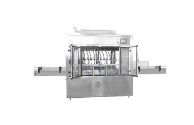
A Gravity Liquid Filling Machine is an essential piece of equipment in modern manufacturing, enabling precise and efficient filling of low-viscosity liquids into containers. From beverages and pharmaceutical syrups to cosmetics and industrial chemicals, these machines are widely used due to their reliability, simplicity, and adaptability.
Selecting the right Gravity Liquid Filling Machine is critical for manufacturers seeking to maximize efficiency, reduce wastage, and maintain product quality. Choosing an unsuitable machine can lead to production delays, higher operational costs, and inconsistent product fills. This guide provides a detailed overview of the factors to consider when choosing the ideal gravity liquid filling machine for your business, helping you make an informed and profitable decision.
Determine Your Production Needs
Daily Production Volume
The first step in choosing a Gravity Liquid Filling Machine is thoroughly understanding your production requirements. Machines are designed to handle varying production volumes, and selecting the right capacity is crucial to maintaining efficiency and avoiding bottlenecks.
Small-scale production: Ideal for artisanal, niche, or startup operations producing hundreds to a few thousand bottles per day. Semi-automatic gravity filling machines are typically sufficient for these businesses. These machines offer precision and reliability while keeping operational costs low, making them a cost-effective choice for companies just starting their production journey.
Medium-scale production: For businesses producing several thousand to tens of thousands of bottles per day, higher-capacity semi-automatic or fully automatic machines are recommended. These machines not only increase throughput but also reduce labor requirements and maintain consistent fill levels, ensuring product quality.
Large-scale production: For operations producing tens of thousands of bottles or more daily, fully automatic gravity filling systems integrated with conveyors, capping units, and labeling machines are necessary. These systems optimize production flow, minimize human intervention, and support continuous operation, essential for high-volume manufacturing.
Number of SKUs and Batch Flexibility
Businesses with multiple SKUs or frequent product changes require machines that are flexible. Adjustable nozzles, programmable fill volumes, and quick container changeover capabilities allow manufacturers to switch between different products efficiently, reducing downtime and enhancing productivity.
Future Scalability Considerations
Even if current production volumes are modest, it is important to plan for future growth. Selecting a Gravity Liquid Filling Machine that can scale with your business prevents the need for frequent machine replacements and ensures long-term cost-effectiveness. Investing in scalable solutions allows manufacturers to accommodate increasing demand while maintaining efficiency and product consistency.
Consider the Type of Liquid
Low-Viscosity vs. Slightly Viscous Liquids
Gravity filling machines excel at low-viscosity liquids like water, juice, and syrups. Some machines can handle slightly viscous products, but excessive viscosity may require piston or pump-based fillers. Understanding the properties of your liquids ensures the machine performs efficiently.
Foaming, Corrosive, or Sensitive Liquids
Certain liquids may foam, react with metal surfaces, or be sensitive to oxygen. Machines with specialized nozzles, anti-foam features, and corrosion-resistant materials (e.g., stainless steel 316L) are crucial for maintaining product integrity.
Temperature Sensitivity and Chemical Compatibility
Some liquids require filling at controlled temperatures or have chemical compositions that react with certain materials. Always verify the machine’s compatibility with the liquid to avoid contamination or degradation.
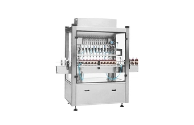
Evaluate Container Compatibility
Container Size and Shape
Gravity Liquid Filling Machines must accommodate a variety of container types, including:
Bottles (round, square, or rectangular)
Jars and vials
Tubes or specialized packaging
Machines with adjustable holders and conveyors simplify changeovers and ensure accurate filling regardless of container shape.
Material Compatibility
Different container materials—plastic, glass, or metal—require different handling. Machines with smooth, non-reactive surfaces prevent scratches, contamination, and static issues.
Adjustable Nozzles and Changeover Ease
Machines with interchangeable or adjustable nozzles save time and reduce labor costs during production line changeovers, particularly for businesses producing multiple products.
Automation Level
Semi-Automatic vs. Fully Automatic Machines
Semi-Automatic: Suitable for small-to-medium production volumes. Operators manually place bottles, while the machine handles precise filling. Cost-effective and simple to maintain.
Fully Automatic: Ideal for high-volume production. Integrates filling, capping, and labeling processes, minimizing labor and maximizing output.
Integration with Capping, Labeling, and Conveyor Systems
Fully automated systems streamline production by combining multiple stages into a single line. Integration reduces human error, improves hygiene, and ensures consistent product quality.
Labor Savings and Operational Efficiency
Automation significantly reduces labor costs, prevents fatigue-related mistakes, and maintains consistent production speeds, enhancing overall efficiency.
Hygiene, Safety, and Compliance
Clean-in-Place (CIP) and Sterilization Requirements
Machines used in food, beverage, or pharmaceutical industries must support CIP systems for fast and efficient cleaning without disassembly. Smooth, crevice-free surfaces prevent bacterial growth.
GMP, ISO, and Industry-Specific Compliance
Compliance with GMP, ISO, or other industry standards ensures product safety, legal compliance, and consumer trust. Choose machines with documentation and certifications to streamline audits.
Safety Features for Operators
Features like emergency stop buttons, protective covers, and sealed enclosures protect operators from chemical exposure or mechanical hazards. Safety compliance is critical for both legal and operational reasons.
Cost and Maintenance Considerations
Initial Investment vs. Long-Term ROI
High-quality machines may require a larger upfront investment but deliver long-term savings through efficiency, reduced wastage, and minimal downtime. Assess your budget alongside expected production gains.
Ease of Maintenance and Spare Parts Availability
Machines that are easy to maintain reduce operational interruptions. Readily available spare parts and simple maintenance procedures ensure minimal downtime.
Energy Consumption and Operational Cost
Efficient motors, pumps, and automation systems lower electricity and water usage, reducing ongoing operational costs.
Supplier Selection
Reputation and Experience of the Manufacturer
Choosing a reliable manufacturer with proven experience in Gravity Liquid Filling Machine production ensures you receive durable, high-performance equipment. Experienced suppliers also provide guidance on machine selection and optimization.
Technical Support and After-Sales Service
Strong after-sales service, including training, maintenance, and technical support, helps maintain production efficiency and prevents costly disruptions.
Case Studies or References from Similar Industries
Ask for case studies or client references to understand real-world performance and reliability of the machine in similar production settings.
Comparative Table: Key Factors in Choosing a Gravity Liquid Filling Machine
Factor | Considerations | Importance |
Production Volume | Small, medium, or large-scale | Ensures machine meets daily output requirements |
Liquid Type | Viscosity, foaming, chemical sensitivity | Prevents machine malfunction or product damage |
Container Compatibility | Size, shape, material | Guarantees accurate fill and minimal changeover time |
Automation Level | Semi-automatic or fully automatic | Impacts labor cost and efficiency |
Hygiene & Compliance | CIP, GMP, ISO standards | Ensures safety and regulatory compliance |
Cost & Maintenance | Investment, energy, spare parts | Influences long-term ROI and operational cost |
Supplier Reliability | Experience, references, support | Determines machine lifespan and service quality |
Conclusion
Selecting the right Gravity Liquid Filling Machine is a critical decision for any manufacturing business. Consider your production volume, liquid type, container compatibility, automation needs, hygiene requirements, operational costs, and supplier reliability. By carefully evaluating these factors, manufacturers can optimize efficiency, maintain product quality, reduce wastage, and ensure regulatory compliance.
Choosing a trusted partner in gravity filling technology, such as Nantong Bolang Machinery Technology Co., Ltd., can simplify the decision-making process. With extensive experience, high-quality machines, and dedicated after-sales support, Bolang provides tailored solutions to meet diverse industry needs. Investing in the right machine ensures both short-term efficiency and long-term growth, making it a smart choice for any production line looking to achieve precision, safety, and scalability.


