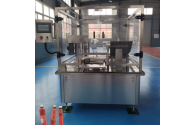
A Filling Machine is a piece of industrial equipment designed to dispense precise amounts of liquids, powders, or granules into containers. These machines are essential in modern manufacturing, ensuring consistent product quality, high production efficiency, and compliance with safety and hygiene regulations.
Filling machines are widely used across industries such as food and beverage, pharmaceuticals, cosmetics, and chemicals. Their importance stems from the need to meet consumer expectations for consistency, maintain regulatory compliance, and reduce labor costs. By automating the filling process, businesses can achieve faster production cycles, minimize wastage, and ensure accurate dosing.
Beyond basic automation, modern filling machines often integrate advanced technologies such as programmable logic controllers (PLCs), touch-screen interfaces, and real-time monitoring systems. These innovations allow operators to track production in real time, adjust fill volumes instantly, and maintain detailed production records for auditing and quality control purposes. In addition, modular designs make it easier for manufacturers to upgrade or expand their systems as production requirements evolve.
This article explores the diverse uses of filling machines, the types available, and the benefits they provide across various industries. It also provides guidance on selecting the right filling machine for specific production needs.
Food and Beverage Applications
Bottled Beverages (Water, Juice, Milk)
In the food and beverage industry, filling machines play a crucial role in the packaging of bottled liquids. Products such as water, juices, milk, and other beverages require precise fill levels to maintain quality, consistency, and brand integrity.
Accuracy: Filling machines ensure every bottle contains the exact volume, avoiding overfilling or underfilling. This is especially important for beverages sold by volume, where minor discrepancies can result in regulatory issues or customer dissatisfaction.
Speed: Automated machines can process thousands of bottles per hour, improving production efficiency. High-speed filling machines equipped with multiple nozzles or rotary systems can further enhance throughput for large-scale operations.
Hygiene: Machines made with stainless steel and equipped with clean-in-place (CIP) systems prevent contamination and meet food safety standards. Some machines include UV sterilization or laminar airflow systems to maintain a sterile filling environment, critical for products like milk or juices prone to microbial growth.
Sauces, Oils, and Condiments
Filling machines are also widely used for sauces, oils, and condiments. These products vary in viscosity, and filling machines are equipped with adjustable nozzles to handle light liquids like vinegar and olive oil, as well as thicker products like ketchup or salad dressing.
Key benefits in this application include:
Consistent fill levels to maintain brand trust and prevent customer complaints.
Reduced spillage and waste, enhancing overall cost efficiency and maintaining a clean production environment.
Flexibility to handle multiple SKUs with minimal changeover time, allowing companies to produce small batches of premium products alongside large-scale items without compromising efficiency.
Many modern machines also integrate inline inspection systems that verify fill levels, detect leaks, and remove defective bottles automatically, ensuring that only compliant products reach consumers.
Pharmaceutical and Healthcare Applications
Liquid Medicines and Syrups
Pharmaceutical production requires extremely precise dosing, particularly for liquid medicines and syrups. Filling machines ensure that each vial, bottle, or container receives the correct amount, maintaining therapeutic effectiveness and compliance with regulatory standards.
Accuracy: Automated filling reduces human error and guarantees precise volumes, which is essential for patient safety and regulatory compliance.
Sterility: Many machines are designed for aseptic filling to prevent contamination. This includes features like sterilizable filling nozzles, laminar airflow hoods, and CIP/SIP (Sterilize-in-Place) systems.
Compliance: Machines help manufacturers meet Good Manufacturing Practice (GMP) and ISO standards, which are mandatory for pharmaceutical production. Automated logging of fill volumes, batch numbers, and operator actions also ensures traceability during audits.
Disinfectants and Hand Sanitizers
The production of disinfectants and hand sanitizers has surged globally. Filling machines allow manufacturers to meet high demand while maintaining hygiene standards. Features such as closed-loop systems, minimal human contact, and explosion-proof designs for alcohol-based liquids ensure both safety and product integrity.
High-volume efficiency: Machines can fill thousands of bottles per hour without downtime.
Flexible container handling: Adjustable holders and conveyor systems allow different bottle sizes to be filled without extensive changeover.
Reduced contamination risk: Automated systems maintain product sterility and ensure regulatory compliance in healthcare and public-use products.
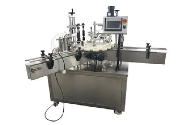
Cosmetic and Personal Care Applications
Lotions, Creams, and Shampoos
Cosmetic and personal care products require accurate filling for both aesthetic and functional reasons. Filling machines are used for:
Lotions, creams, shampoos, and conditioners
Perfumes and essential oils
Skincare liquids
Key advantages include:
Precision: Prevents product wastage and ensures uniform packaging, which is critical for customer satisfaction and cost management.
Hygiene: Stainless steel components, closed filling heads, and aseptic systems maintain product safety and prevent microbial contamination.
Speed: High-volume production is possible without compromising accuracy, supporting both mass-market and premium product lines.
Perfumes and Essential Oils
Perfumes and essential oils are sensitive products where even minor exposure to air can degrade quality. Filling machines reduce human contact, maintain controlled environments, and ensure precise volume dosing. Additional features, such as nitrogen blanketing and temperature control, help preserve fragrance and chemical integrity during filling.
Chemical and Industrial Applications
Detergents, Cleaning Liquids, and Solvents
In the chemical industry, filling machines handle a wide range of low-viscosity liquids, including detergents, cleaning agents, and solvents. Precision filling is essential to maintain product consistency, reduce waste, and comply with safety standards.
Efficiency: Machines can fill large volumes quickly, reducing production time and labor costs.
Safety: Corrosion-resistant materials and sealed systems protect both the machine and operators from aggressive chemicals.
Accuracy: Maintains consistent volume in every container, which is critical for industrial customers who rely on precise measurements.
Oils and Lubricants for Industrial Use
Filling machines are also used to package industrial oils and lubricants. Corrosion-resistant designs and adjustable filling mechanisms ensure accurate dosing, while integrated capping and labeling systems prevent leakage during transport. Many machines also feature automated cleaning cycles to prevent cross-contamination between different types of lubricants or oils.
Types of Filling Machines and Their Uses
Different types of filling machines are suited to specific liquids and industries. Choosing the right type is essential for optimizing production efficiency and minimizing waste.
Gravity Filling Machines
Ideal for low-viscosity liquids such as water, juice, and milk.
Relies on gravity to flow liquids into containers.
Advantages: Simple design, low maintenance, and cost-effective for high-volume operations.
Additional feature: Can be combined with inline inspection systems for real-time quality control.
Piston Filling Machines
Suitable for medium to high-viscosity liquids like sauces, creams, and lotions.
Uses a piston to draw and dispense precise volumes.
Advantages: High accuracy, versatile container compatibility, and adjustable dosing.
Pump-Based Filling Machines
Ideal for liquids that are viscous, foamy, or sensitive.
Uses positive displacement pumps for controlled flow.
Advantages: Accurate dosing, compatibility with a wide range of liquids, and minimized foaming during filling.
Auger and Volumetric Fillers
Designed for powders and granular products.
Uses augers or volumetric dosing to measure and dispense precise quantities.
Advantages: Consistent fill, minimal wastage, and suitable for both small and large containers.
Benefits of Using Filling Machines
Filling machines provide multiple advantages for manufacturers across industries:
Increased Production Efficiency
Automated filling reduces the time required for manual operations, allowing manufacturers to produce more units in less time. Machines with multiple nozzles or rotary systems further enhance throughput.
Improved Product Consistency
Consistent fill levels maintain brand integrity and consumer trust. Precision filling ensures compliance with labeling and regulatory requirements. Some machines integrate vision systems to detect underfilled or overfilled containers automatically.
Reduced Labor Costs
By automating repetitive tasks, filling machines lower labor costs, reduce fatigue-related errors, and free operators for higher-value tasks such as quality control and packaging inspection.
Compliance with Hygiene and Safety Regulations
Machines designed with stainless steel components, CIP systems, and aseptic technology help manufacturers comply with food, pharmaceutical, and cosmetic safety standards. Automated cleaning and sterilization cycles reduce downtime and maintain consistent hygiene levels.
Filling Machine Applications Across Industries
Industry | Typical Liquids/Products | Recommended Filling Machine Type | Key Benefits |
Food & Beverage | Water, juice, milk, sauces, oils | Gravity, piston, pump-based | Accuracy, speed, hygiene |
Pharmaceutical & Healthcare | Syrups, disinfectants, liquid medicines | Gravity, piston, aseptic fillers | Sterility, regulatory compliance |
Cosmetics & Personal Care | Lotions, creams, shampoos, essential oils | Piston, pump-based, volumetric | Precision, minimal waste, hygiene |
Chemicals & Industrial | Detergents, solvents, oils, lubricants | Pump-based, piston | Corrosion resistance, safety, efficiency |
Conclusion
Filling machines are indispensable in modern manufacturing, enabling precise, efficient, and safe packaging of liquids, powders, and granules. From food and beverage to pharmaceuticals, cosmetics, and chemical industries, these machines ensure consistent product quality, minimize waste, and comply with stringent safety and hygiene standards.
Understanding the different applications and types of filling machines allows manufacturers to choose equipment that best fits their production needs, improving operational efficiency and maintaining consistent output. Whether you require gravity fillers for low-viscosity liquids, piston machines for creams and lotions, or pump-based systems for chemical solutions, selecting the right machine is crucial for long-term productivity.
For businesses looking to invest in reliable and high-performance filling solutions, Nantong Bolang Machinery Technology Co., Ltd. offers a wide range of advanced filling machines tailored to diverse industrial needs. With years of experience, technical expertise, and dedicated customer support, they can help you identify the ideal machine, optimize your production line, and achieve scalable results. Reach out to their team today to explore solutions that enhance efficiency, reduce waste, and maintain superior product quality.


